
Your body clock influences when you naturally feel alert, productive, and sleepy.
Sleep is theFoundation.Sleep Chronotypeis the Blueprint.
Better Sleep
Better Energy

Better Life
Sleep powers your Health, Mind, Performance, Recovery, and Longevity.
Every night, your brain and body perform essential processes that
influence how you Think, Feel, Learn, Work, Communicate,
and perform throughout the day.
YOUR DAYS ARE ONLY AS POWERFUL AS YOUR NIGHTS.
Discover Your Natural Sleep Rhythm:Understanding Sleep Chronotypes
Your chronotype is your natural preference for sleeping, waking, and performing activities throughout the day.
It influences:
- When you feel most alert
- When you are most productive professionally
- When you prefer to exercise
- When you naturally feel sleepy
- How your energy changes during the day

Every chronotype has unique strengths, challenges, and opportunities for optimization.
Understanding your chronotype
can help optimize:
Sleep quality
Energy levels
Productivity - Work, Social and Family
Focus
Exercise performance
Recovery
Nutrition timing
Work-life balance

Peak performance comes from doing the right things at the right time.
Take the test now to know your type and transform your health, wellness, professional and personal performances.
The Four Pillars of Daily Energy Management
Sleep

The foundation of recovery and performance.
Movement

Supports physical and mental well-being.
Nutrition

Provides fuel for energy and recovery.
Light Exposure

Helps regulate your body clock and alertness.
Small daily habits create lasting improvements in well-being and performance.
Better Sleep Creates Better Days
Quality sleep influences every area of life.
Better Physical Health
Better Mental Health
Better Emotional Stability
Better Relationships
Better Recovery
Better Productivity
Better Quality of Life

Why Sleep Matters
FACT STRIP
7 to 9 Hours
Recommended sleep duration for most adults
90 to 120 Minutes
Average duration of one sleep cycle
4 to 6 Cycles
Typical number of sleep cycles per night
1 in 3 Adults
Experience sleep-related difficulties during their lifetime
Good sleep changes your energy, your performance, and your quality of life.
Quality sleep powers every area of life.
Mind

Learning, memory, focus, creativity, emotional balance.
Body

Immunity, recovery, hormones, metabolism, long-term health.
Life

Energy, productivity, performance, relationships, and well-being.
Understanding Sleep Cycles
Your body heals in sleep. Your brain organizes your future in sleep.
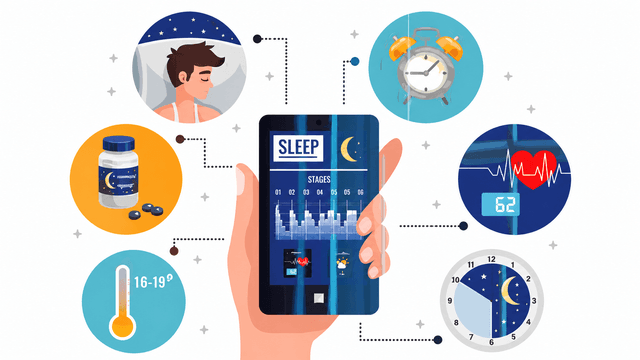
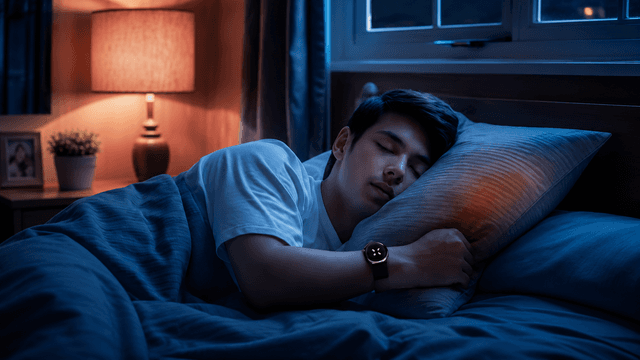
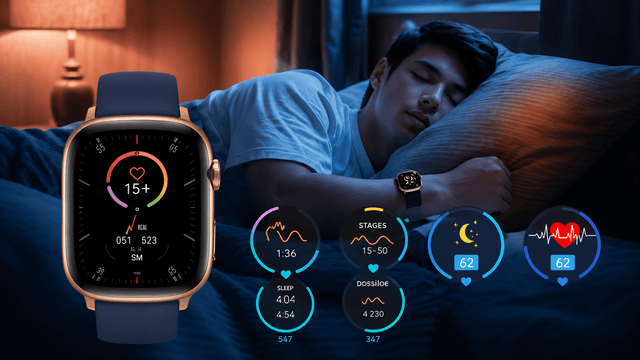
Healthy sleep occurs in repeating cycles throughout the night. Each cycle lasts approximately 90 to 120 minutes, and most adults experience 4 to 6 cycles every night.
Primary Function
Approximate Duration
Key Activities
Primary Benefit
NREM Sleep
Rest, Repair and Recovery
75 to 80 percent of total sleep
Tissue repair, immune strengthening, physical restoration
Restores the body
REM Sleep
Learning, Memory and Emotional Processing
20 to 25 percent of total sleep
Dreaming, emotional processing, learning, creativity
Refreshes the mind, Cleans the junk memory
NREM Sleep
Primary Function
Rest, Repair and Recovery
Approximate Duration
75 to 80 percent of total sleep
Key Activities
Tissue repair, immune strengthening, physical restoration
Primary Benefit
Restores the body
REM Sleep
Primary Function
Learning, Memory and Emotional Processing
Approximate Duration
20 to 25 percent of total sleep
Key Activities
Dreaming, emotional processing, learning, creativity
Primary Benefit
Refreshes the mind, Cleans the junk memory
NREM Sleep supports physical restoration.
REM Sleep supports mental and emotional restoration.
Both are essential for optimal health and performance.
Common Sleep Disorders - 8 Types
Sleep disorders can affect sleep quality, daytime functioning, productivity, emotional well-being, and long-term health.

Insomnia
Difficulty falling asleep, staying asleep, or waking too early despite having the opportunity to sleep.
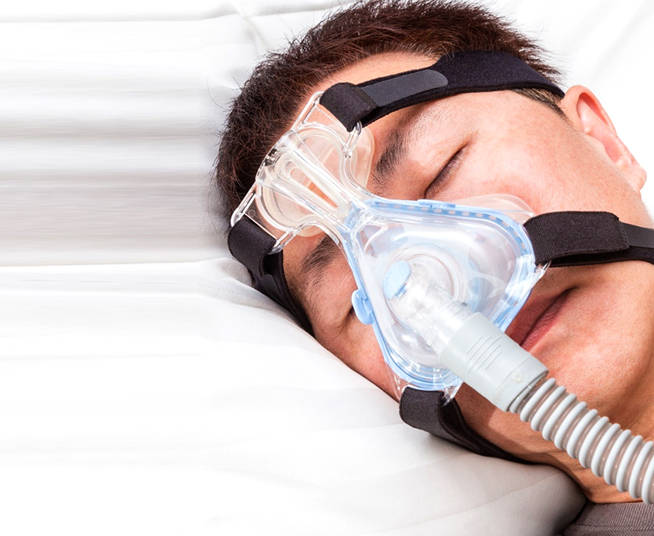
Obstructive Sleep Apnea (OSA)
Repeated interruptions in breathing caused by temporary airway collapse during sleep.
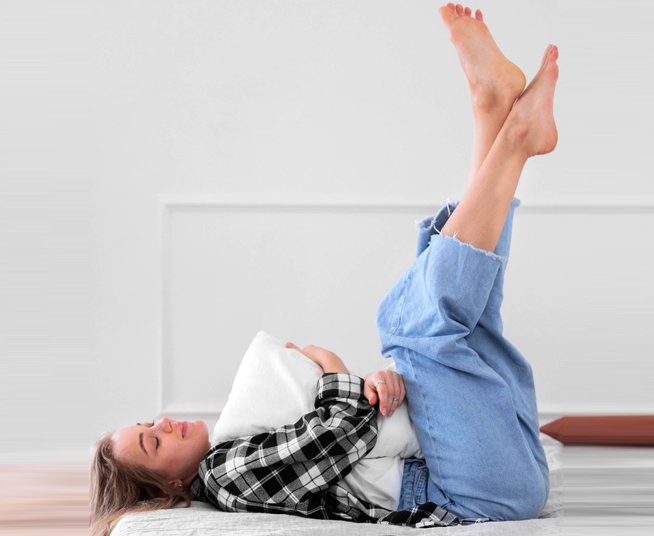
Restless Legs Syndrome (RLS)
An uncomfortable urge to move the legs, often worsening during the evening and night.
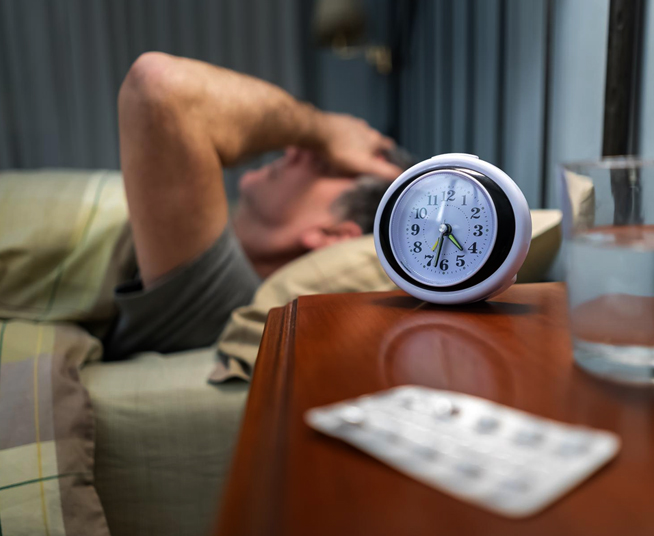
Circadian Rhythm Disorders
Disruptions in the body's natural clock, including shift-work disorder, jet lag, delayed sleep phase, and advanced sleep phase.

Narcolepsy
A neurological condition characterized by excessive daytime sleepiness and sudden sleep episodes.

Hypersomnia
Persistent excessive sleepiness despite adequate sleep duration.
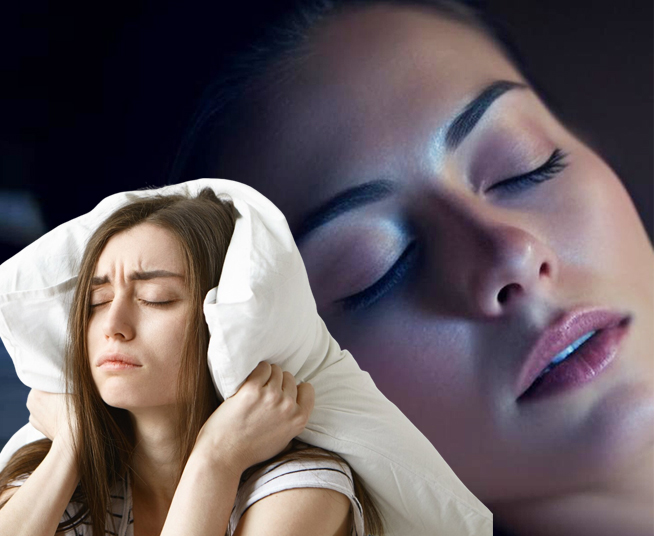
Parasomnias
Sleepwalking, sleep talking, nightmares, night terrors, and REM behaviour disorders.

Bruxism
Grinding or clenching of teeth during sleep.
Insomnia
Difficulty falling asleep, staying asleep, or waking too early despite having the opportunity to sleep.
Obstructive Sleep Apnea (OSA)
Repeated interruptions in breathing caused by temporary airway collapse during sleep.
Restless Legs Syndrome (RLS)
An uncomfortable urge to move the legs, often worsening during the evening and night.
Circadian Rhythm Disorders
Disruptions in the body's natural clock, including shift-work disorder, jet lag, delayed sleep phase, and advanced sleep phase.
Narcolepsy
A neurological condition characterized by excessive daytime sleepiness and sudden sleep episodes.
Hypersomnia
Persistent excessive sleepiness despite adequate sleep duration.
Parasomnias
Sleepwalking, sleep talking, nightmares, night terrors, and REM behaviour disorders.
Bruxism
Grinding or clenching of teeth during sleep.
Not all sleep problems look the same. Recognizing the signs is the first step toward improvement.
Warning Signs That Need Attention
Seek professional evaluation if you experience:
Loud Habitual Snoring
Pauses in Breathing During Sleep
Waking up Gasping for Air
Excessive Daytime Sleepiness
Falling Asleep while Driving
Persistent Insomnia
Unusual Movements, Sleep Walking, Sleep Talking & Night Mares
Significant impact on work, studies, or relationships
Better awareness leads to earlier support and better outcomes.
Sleep Facts Worth Sharing
A typical night's sleep consists of 4 to 6 sleep cycles lasting approximately 90 to 120 minutes each.
Sleep plays a critical role in memory, learning, emotional regulation, immunity, recovery, and long-term health.
Small improvements in sleep habits can create meaningful improvements in energy, mood, and performance.
Need Additional Guidance?
The right support at the right time can make all the difference
Sleep concerns can influence health, performance, relationships, and quality of life. Professional support can help identify underlying causes and provide appropriate guidance.

FAQ
A chronotype is your natural biological preference for sleeping, waking, and performing activities throughout the day.A chronotype is your natural biological preference for sleeping, waking, and performing activities throughout the day.
The main chronotypes are commonly described as Lark, Eagle, and Owl, representing morning, intermediate, and evening-oriented sleep patterns.The main chronotypes are commonly described as Lark, Eagle, and Owl, representing morning, intermediate, and evening-oriented sleep patterns.
Most adults generally need between 7 and 9 hours of sleep each night, although individual requirements may vary.Most adults generally need between 7 and 9 hours of sleep each night, although individual requirements may vary.
REM sleep is a stage of sleep associated with dreaming, memory processing, learning, creativity, and emotional regulation.REM sleep is a stage of sleep associated with dreaming, memory processing, learning, creativity, and emotional regulation.
NREM sleep primarily supports physical recovery and restoration, while REM sleep supports learning, memory, creativity, and emotional processing.NREM sleep primarily supports physical recovery and restoration, while REM sleep supports learning, memory, creativity, and emotional processing.
Seek professional guidance when sleep problems are persistent, affect daytime functioning, involve loud snoring or breathing pauses, or significantly affect health and quality of life.Seek professional guidance when sleep problems are persistent, affect daytime functioning, involve loud snoring or breathing pauses, or significantly affect health and quality of life.